Why Cannabis Dried Fruit Is a Smart Choice for Edible Enthusiasts
Edible cannabis has come a long way from the days of gritty brownies and unpredictable doses. Walk into a dispensary today and you will find everything from premium cannabis chocolates to delicate delta-8 gummies, each product promising a consistent experience. Yet one category that often gets overlooked is cannabis dried fruit. It occupies a quiet corner of the market, but for those who give it a try, it often becomes a staple. I have spent years working with infused products, and I keep coming back to dried fruit for reasons that go beyond convenience.
To understand why dried fruit works so well, it helps to look at how cannabis oil and other concentrates behave during infusion. THC and CBD are both fat-soluble cannabinoids. They bind readily to oils and fats, which is why butter and coconut oil have been the go-to carriers for decades. But dried fruit presents a different challenge. Most dried fruit has very little fat. That means you cannot simply toss some cannabutter onto apricots and call it done. The result would be greasy, uneven, and prone to separation. Instead, the infusion process typically relies on a thin coating of cannabis oil or a specially formulated tincture that adheres to the fruit's surface and slowly absorbs into its porous structure. This technique yields a product that is shelf-stable, easy to portion, and surprisingly discreet. cannabis dried fruit
The first time I tried infused apricots from a brand called Stone Road, I was struck by how natural the experience felt. The fruit retained its tart-sweet character, and the cannabis was present but not aggressive. That balance is hard to achieve. Many edible cannabis products lean heavily on sugar or chocolate to mask the taste of hash or strong flower. Dried fruit, by contrast, has its own distinct flavor profile that can complement or even highlight the terpenes in the infusion. A bright, citrus-forward sativa strain paired with mango pieces can taste like a sophisticated snack rather than a medicine. That matters for people who want to incorporate cannabis into their daily routine without feeling like they are consuming a product.
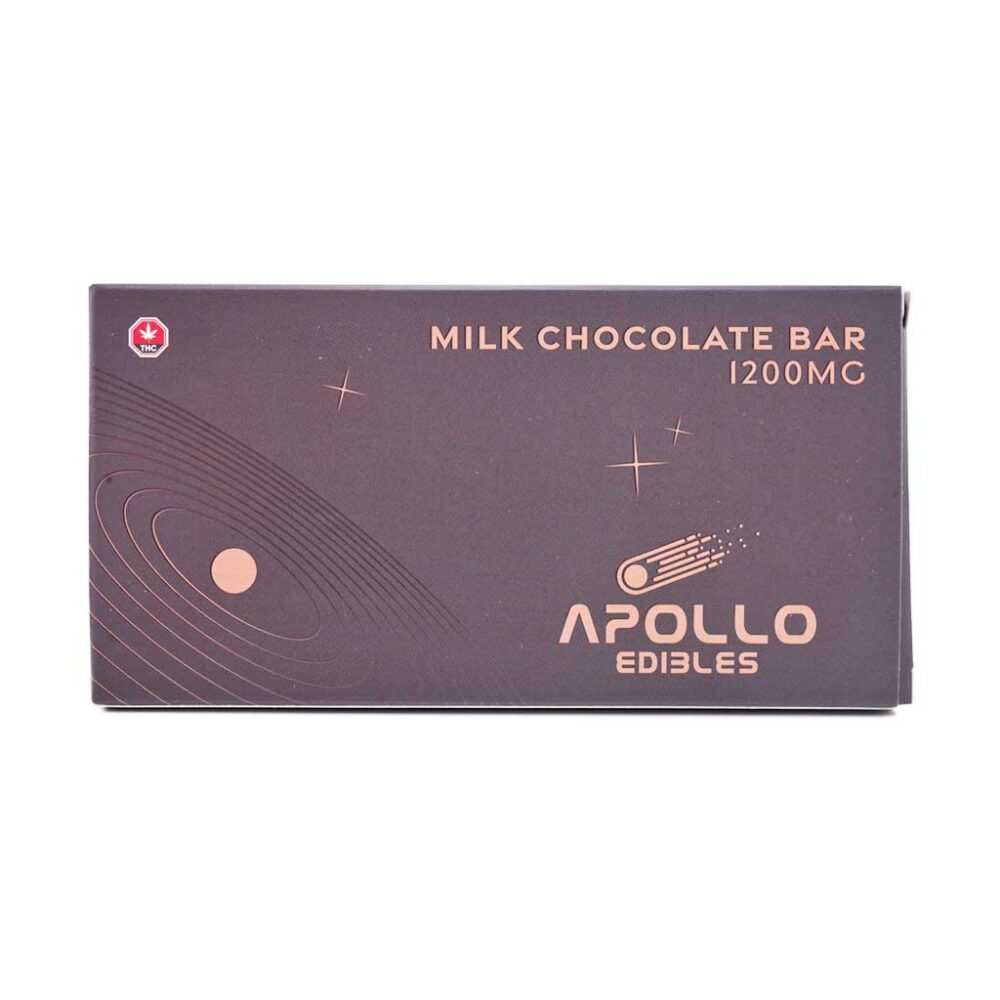
Another advantage is dosage control. With cannabis chocolates or baked goods, you are often locked into the serving size the manufacturer chose. If a chocolate bar contains 10 milligrams of THC per square, you can break it in half, but you lose precision. Dried fruit pieces tend to be more uniform, and because they are individually infused, each piece carries a predictable amount of active cannabinoids. This makes them especially useful for people who use medical marijuana and need to titrate their dose carefully. A patient managing chronic pain might start with half a piece of infused apricot and wait an hour before deciding whether to take more. That kind of control is harder with a cookie or a brownie, where the infusion is spread throughout the batter and may not be perfectly homogenous.
I also appreciate how cannabis dried fruit travels. Unlike delta-8 gummies that can melt in a warm pocket or cannabis chocolates that bloom if the temperature fluctuates, dried fruit stays stable at room temperature for months. The texture might change slightly in high heat, but it will not turn into a sticky puddle. For anyone who likes to keep a small stash in a bag or desk drawer, dried fruit is about as low-maintenance as it gets. It does not require refrigeration, and it does not attract the same attention as a brightly colored gummy or a chocolate bar.
That said, dried fruit is not perfect. The onset of effects can be slower than with some other edibles, because the fruit's fibrous structure may slow digestion slightly. For some users, that is a benefit, it spreads the experience out over a longer period. For others, it can be frustrating if they are used to the faster onset of a tincture or a vape. There is also the question of potency. Because dried fruit has a low fat content, it cannot hold as much cannabis oil as a chocolate or a brownie. Most pieces range from 2 to 5 milligrams of THC, which is moderate. If you need a very high dose, you might need to eat several pieces, and that can add up in sugar content. Brands like Dixie Brands have addressed this by offering stronger versions, but they are less common than standard-strength options.
When I talk to people at Kush Station, the online shop where I source many of my products, they often mention that dried fruit appeals to a different kind of consumer. The typical buyer is someone who already enjoys dried fruit as a snack and wants to combine that habit with their cannabis routine. They are not looking for a candy-like experience. They want something that feels closer to whole food. That is why infused apricots and mango pieces sell well alongside cannabis chocolates and baked goods. Each format has its own audience, and the best shops stock a variety so customers can find what suits their preferences.
For anyone new to cannabis dried fruit, I recommend starting with a single piece from a reputable brand. Wait at least two hours before deciding whether to take more. The effects of edible cannabis can take longer to appear than you expect, especially if you have eaten a meal recently. Also, pay attention to the strain. An indica dominant infusion will produce a more relaxing, body-heavy sensation, while a sativa leaning product will feel more uplifting and mental. Some brands list the dominant terpenes on the package, which can help you predict the experience.
Storage is simple. Keep the fruit in a cool, dark place, preferably in an airtight container. Exposure to air will dry it out further and may degrade the cannabinoids over time. If you buy in bulk, transfer what you are not using immediately to a sealed jar. Properly stored, dried fruit can maintain its potency for up to a year. That is longer than most baked goods or cannabis chocolates, which tend to stale or bloom within a few months.
One trend I have noticed is the rise of small-batch producers who focus on handcrafted dried fruit infusions. These artisans often use organic fruit and cold-infused cannabis oil or cannabis tinctures to preserve the fruit's natural flavor. The result is a product that tastes less like a medicine and more like a gourmet snack. Some even add a touch of hemp seed oil for extra depth, though that is still niche. For the curious consumer, these small-batch offerings are worth seeking out. They show how far the category has come from the early days of cannabutter smeared on a raisin.
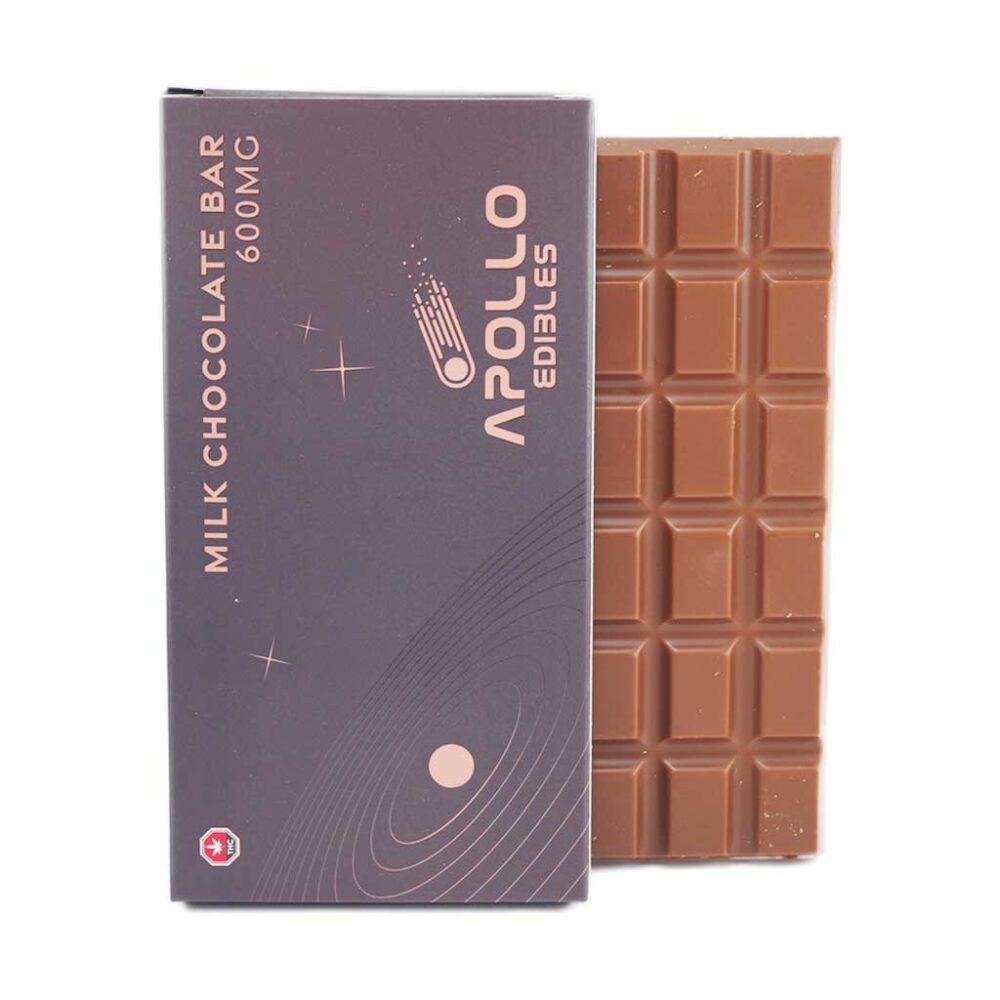
Ultimately, cannabis dried fruit fills a specific role in the edible landscape. It is not a replacement for gummies, chocolates, or tinctures. It is an alternative for people who want something shelf-stable, portion controlled, and closer to real food. Whether you are a medical marijuana patient needing precise dosing or a recreational user looking for a discreet way to enjoy THC and CBD, dried fruit deserves a place in your rotation. The next time you browse an online menu, give those apricots or mango pieces a closer look. They might surprise you.